
REVIEWED BY ISLA TEAGUE
EDITED BY ELLA CALLOW-SUSSEX
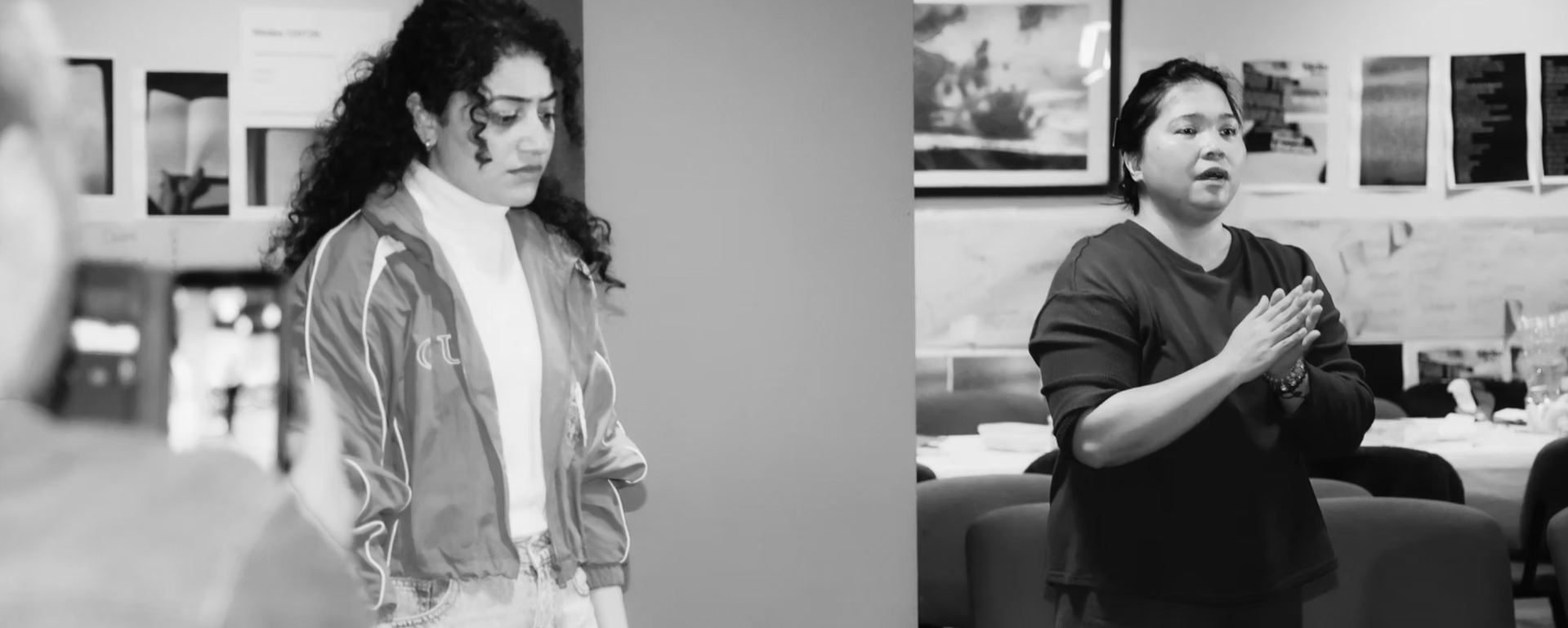
“This show is so important,” is what an audience member stated in the panel discussion after NA-IBA: The Other, A Look at Medea. A statement many of us in the audience agreed with. The relevance of the stories of migrant women from all across the world, now based in Australia, could not be more vital in our current political state, and it gave many of the women in the audience great catharsis to watch our experiences be explored on the stage with care, hope and the right amount of rage.
Performed at Theatre Works Explosives Factory as part of Melbourne Fringe Festival, NA-IBA is a performance development work by Divergent Theatre Collective, directed by Roman Berry. This ensemble piece was uniquely produced through the actors and devisors Linda Nguyen, Mayen Estanero, Denli Chavez, Nurul Aida Mohammad Zaffir, Isha, Alecx Keanne Barredo and Mariabelen Bernal Villalón all developing segments from their own experiences and values, performing feelings that transcended language. Inspired by their backgrounds from the Philippines, India, Malaysia, Chile, Vietnam and Iran, the ensemble welcomed global audiences through their metaphorical interpretations of common negative migrant interactions. Not only did the ensemble often use multiple languages to express themselves, but each culture came through in props and sound, led by Mayen Estanero’s incredible vocals. While not directly relevant to the more well-known elements of Euripides’ Medea like the murder of her sons, the performance articulated the themes of entrapment, power and reckoning, and utilised them to demonstrate the oppression and challenges faced by migrant women.
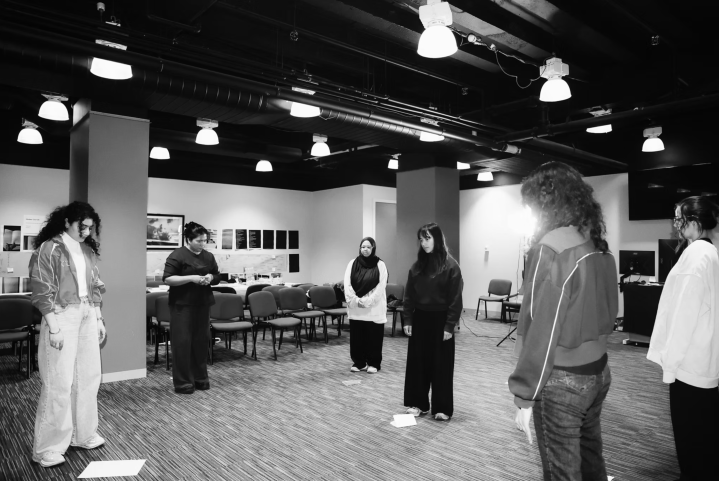
What truly stood out in this piece was the ensemble’s connection. Their casual familiarity and ease of synchronicity allowed the audience to experience a visual and aural interpretation of migrant hurt, challenge and joy. An audience member commented on how NA-IBA had struck her inexplicably, she just felt “intense,” and I completely concur. The ensemble physicalised emotions so viscerally, collectively using movement to evoke fear, happiness and discomfort. While in some ensemble pieces, the use of multiple people to express the feelings of one can feel unrealistic and disconnect the audience from the scene, in NA-IBA their collaboration and timing worked to connect to the audience.
In the segment where Isha’s story was featured, she depicted the struggles of young international students living in Australia, having to take on jobs in addition to simply existing in an unfamiliar place. The ensemble illustrated this through a slow growth of discomfort, where Isha becomes increasingly less idealised and instead suffocated by the expectations placed upon her. The entire ensemble horrifyingly seemed to choke, even the vocalist, Mayen Estanero strained in her song. The effect was chilling and haunted the performance, even after the conclusion of the scene.
While the ensemble used their collaboration to harrowing effect, they were also able to utilise this for uplifting and comedic outcomes. With Mariabelen Bernal Villalón as the feature, she joyfully retold a story of a 40 year old woman, travelling on her own with zero care of other’s familial or romantic expectations of her. Breaking out into a humorous rendition of ‘I Want to Break Free,’ the ensemble completely matched her energy, pulling out their best and wildest dance moves. In Nurul Aida Mohammad Zaffir’s feature, the ensemble play Tinikling, a jumping game with bamboo sticks, using them to evoke sounds of childhood fun, but additionally skilfully used them to guide the timing of mocking laughter to isolate Zaffir.
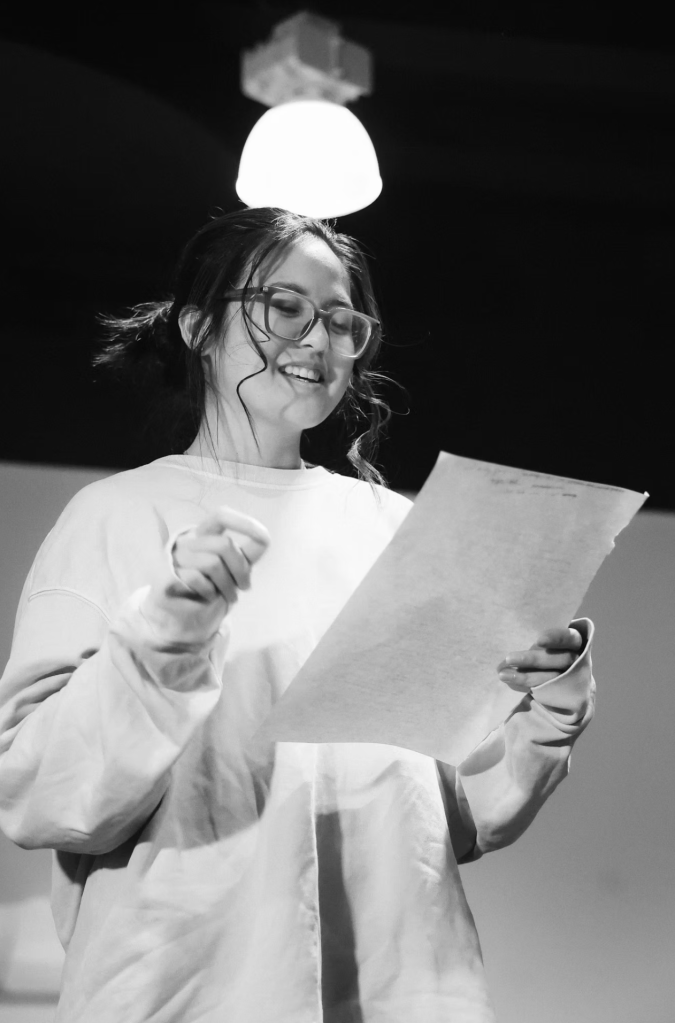
Equally relatable yet frustrating, Alecx Keanne Barredo’s story of entering a celebratory event, knowing her relatives are going to pick her life apart, speaks to our diverse audience. The ensemble takes on caricatures of nosey and judgemental aunties, uncannily portraying every event with family involved, overwhelming the space with noise. Her heartfelt monologue and courageous choice to enter the space anyway, for the connection with her culture speaks to many migrant experiences and gives the audience the power to make decisions for themselves rather than others. The balance between frustration, horror and comedy speaks to the incredible devising of the cast and director Berry, who were able to take such separate experiences and emotions to combine into one message of resistance and hope.
More than just an ensemble work, the piece grappled with the relevant issues that migrant women face, involving the audience in this chilling and visceral piece. Most notably was Denli Chavez who asked an audience member to hold out their hands to give her one peso, looking at the audience with wide eyes as she sincerely states “this is my everything.” In a sort of worship, Chavez pledges everything she has in this segment, giving her all into the workforce, no matter the job, striving for success, no matter how difficult. The ensemble physicalised the effort it takes to achieve and sustain success through different kinds of work, cleaning, calling and typing. Though the action is very metaphorical, what carried this segment was Chavez’s frank and open acting, which endeared the audience to her story. As the ensemble reaches for this elusive peak of success, clawing at Chavez’s clothes, even comedically grabbing her head, she still continued to speak honestly to the audience. My interpretation of this segment was that even after migration, battling through an unforgiving workforce, giving your everything into a new life, the previous life does not mean nothing and still exists alongside your current reality. This idea is carried throughout the piece and is present in the original Medea tale, although more negatively, as Medea never forgets her roots and why she ends up in Athens.
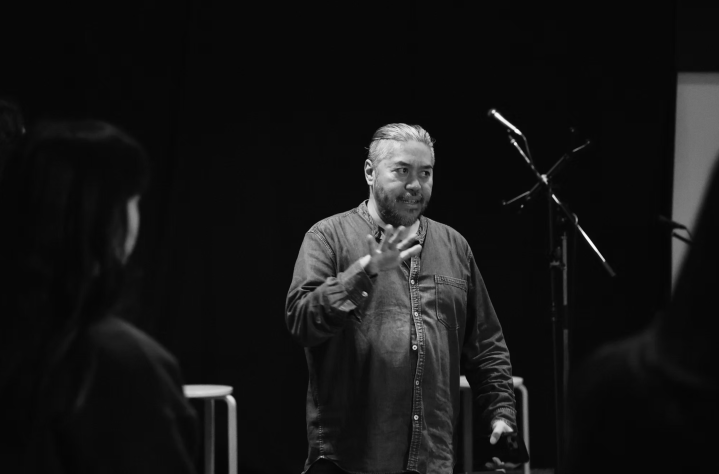
While the post-performance panel was declared as developmental improvement, I found it extremely helpful in solidifying my ideas of the play and a kind of comfort after the tumultuous performance. Despite its short run time of only about 45 mins, the performance had an intense impact on the audience, with many people feeling passionate about the events in the show. The show took the audience on an extremely varied emotional journey, with moments of joy and humour, but also frustration, fear and rage. Each segment gave catharsis through the rejection of accepted norms and expression of thoughts that are too internal for the public eye, giving the audience comfort and freedom that was able to be expressed to the cast through this forum. The panel was a great idea for this kind of piece that often leaves more questions than answers, and allowed us to connect with everyone within the space.
NA-IBA spoke to a depth of experience using the themes of Medea, but most importantly, the ensemble brought to light that the multitude of experiences of migrant women are not in insolation, but faced as a collective, and by bringing the audience together they truly told the promise of liberation.
NA-IBA: The Other, A Look at Medea played at Theatreworks: The Explosives Factory 15-17 October 2026.
ISLA TEAGUE (they/them) is a dancer and performing artist from Melbourne/Naarm, participating in both community and university theatre scenes. Currently studying a Bachelor of Arts (Criminology) at University of Melbourne, they are in their first year of reviewing for The Dialog.
ELLA CALLOW-SUSSEX (she/her) is a writer, dramaturg and production manager. She is currently completing an Honours Thesis in Creative Writing and English/Theatre Studies. She is also the Chief Editor of the Dialog for 2027.
The Dialog is supported by Union House Theatre.

