
INTERVIEW BY AUDREY MUELLER
EDITED BY CHARLOTTE FRASER
Audrey Mueller, a sub editor and writer for the dialog, recently sat down with Stella Bea Byrne, Hannah Crompton, Ava Ruljancich and Zoe Barnett to discuss the production of Four Letter Word’s original musical Bingo.
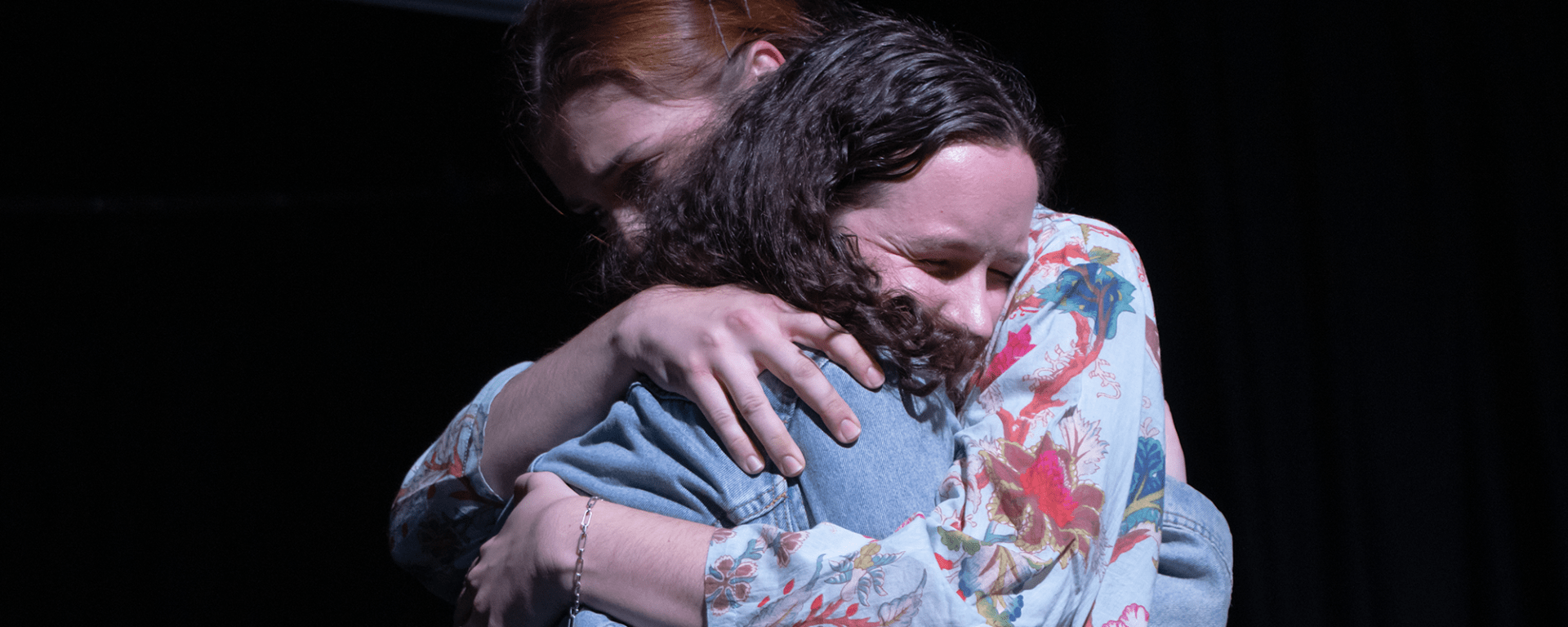
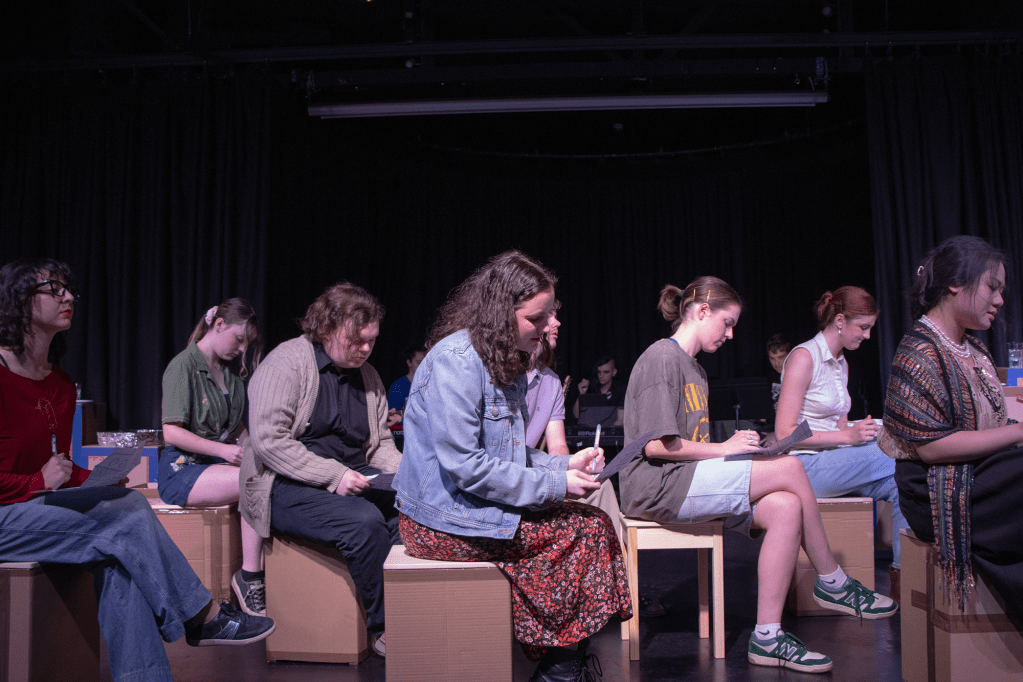
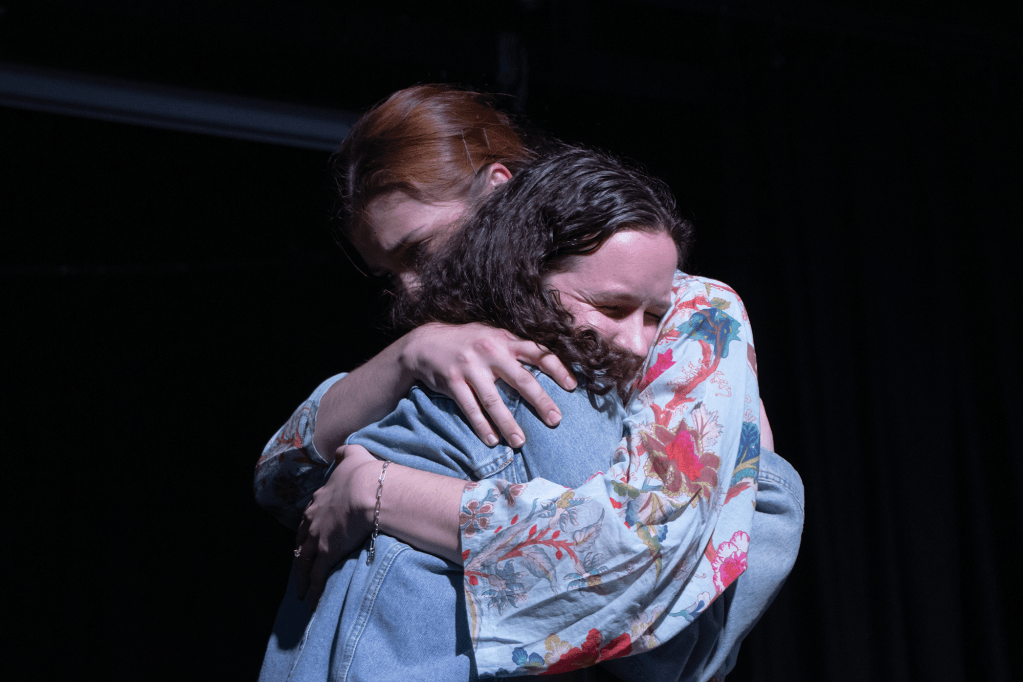
Bingo is an original musical production by emerging writer Stella Bea Byrne, centring around balancing religious and family values while navigating adolescence. Main character Sam precariously fills the bingo card that is her life, until life catches up to her pretty spectacularly.
Audrey: What was the inspiration and intention in creating this work?
Stella: Where didn’t it come from? This world we are living in, especially Australia, is such a multicultural and multi-religious society. I wrote a piece which explores how people can live side by side in a society where they don’t completely agree, particularly believing in religious beliefs without having to alter their personal ways or ideologies. I’ve centred the show around Christianity as it’s something I understand. This is an odd topic to be tackled by musical theatre. However, themes of religion are so existential and often hard to grasp, [but] the music begins to try and explain them, fleshing out the meanings behind the themes. You don’t often hear Australian accents in musical theatre, and I love Australian rock, indie and folk music; think Missy Higgins and Julia Stone. So, I felt I needed to write an Australian Musical theatre piece.
Audrey: Having worked in production or cast of pre-established musicals. How have you found being a part of an original musical different?
Stella: It really makes you read more into the script, by this I mean really examine the script and pull things out. It’s been helpful to have Hannah directing. Because I have written a lot of it from my lived experience, I forget there are intricacies and elements embedded in the show that are unfamiliar to others. Having someone direct it has been amazing, picking up on the subtleties and bringing the characters to life.
Hannah: It’s a lot more of a collaborative process. Which is really exciting as you get to discover the script’s relevance to contemporary Australia in real time with the actors and creative team. Stella and I have a lot in common creatively, so it’s been amazing to work on something so in-tune with me as a person. Another thing, it has been great to be able to pull inspiration out of anywhere, without working with the shadow of other actors who have played these roles or how the set looked, really being able to be inspired by anything that sparks something for us, it’s been freeing.
Stella: Yeah, definitely a greatly collaborative process, after auditions and the first read through, I did a massive script edit. It was the first time it had been read it out loud in a room, where I could hear the flow was working or not working. I’ve gotten some great feedback and it been great to see the actors bring the characters to life with their own interpretations.
Zoe: Yes, the process is a lot more open and fluid. I think with original works there is often smaller casts so there is definitely room for our input, and connection between the production team and the cast. You can come up with an idea for the character to take something on and it’s openly received, you can hash out the details of the intent with the writer as they are present in the room.
Ava: I find It’s a lot more flexible than pre-established works. I really love developing original works because it lacks the certain constraint preexisting works hold you to. In pre-established works you are able to put your own spin on characters, but it always feels like you are comparing yourself to a version you have seen, or that you think audiences will be expecting. So, I think there is something so fun about developing a new show both from an actor’s perspective, and also from a musical perspective being able to change things, suiting it better to your voice. It’s a big honour to be able to work on something original with the writer and have the writer see the show.
Audrey: Why should people come see the show? What do you hope they take away from the piece?
Stella: Come for a little sprinkle of hope. I would like an audience to come away from it with a sense of hope. The last number is called Start the Game Again and it’s about how in life winning and losing is a cycle. Even if you feel you have lost everything off your bingo card, if you haven’t checked anything off or you don’t even know what you are trying to check off anymore. There is always hope to write a new card and start the game again.
Zoe: It touches the most important part of storytelling, exposing audiences to something they haven’t seen or considered before. Everyone has a backstory of coming out or aspects of their insular private life, often missed or forgotten in the real world, so it’s important for the audiences to see these things.
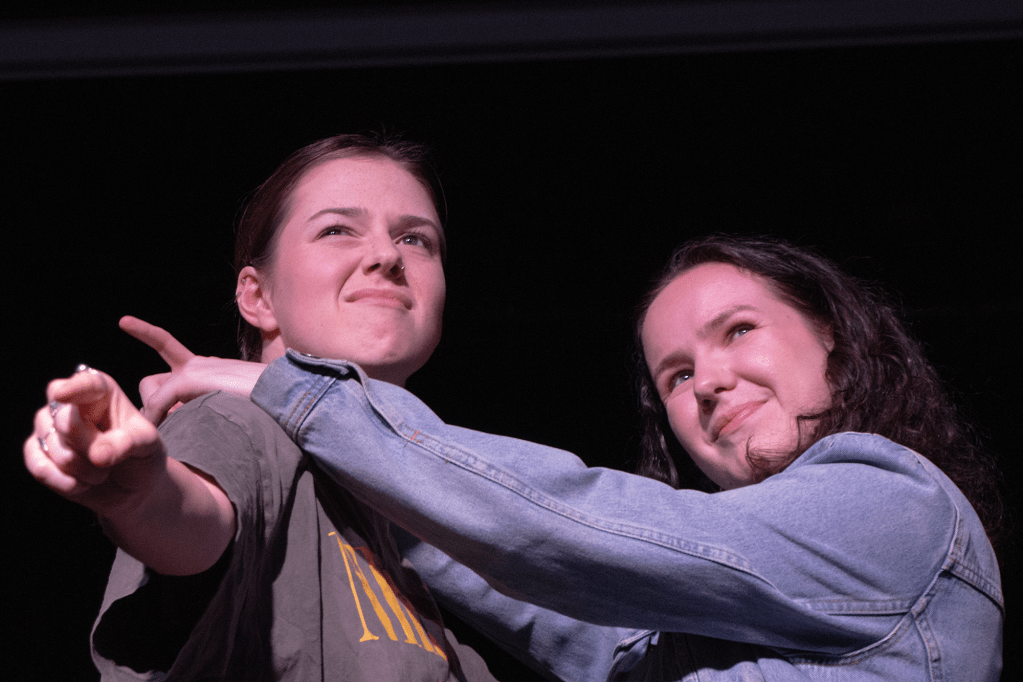
Ava: I think they should come to see it because it’s the first Australian-based musical I’ve seen to handle queerness. I think it brings an important cultural perspective – for example, one of the characters mentions voting in the 2017 referendum … It’s like the story could happen to any family and it brings a sense of relatability that make the emotional aspects more accessible
Hannah: I think that this show is deeply relevant to a lot of stuff going on in the world and Australia. It’s about coming to terms with queerness, and ultimately celebrating it. Authenticity is something that’s relevant to me and is deeply engrained in the show. In this increasingly politically complicated world where people turn to religion, the show is an important exploration of what that looks like when you are trying to figure yourself out, and how it can affect you. I would want the audience to take away the themes of authenticity and self-expression, finding ways to support the people in your life, and even people who aren’t in your life, who deserve support and deserve to be understood. An incredible thing about the show is being able to put yourself in each character’s shoes, so another important take away is openness and understanding, having an empathetic approach of things changing and growing around you, while still being able to hold onto your beliefs and values.
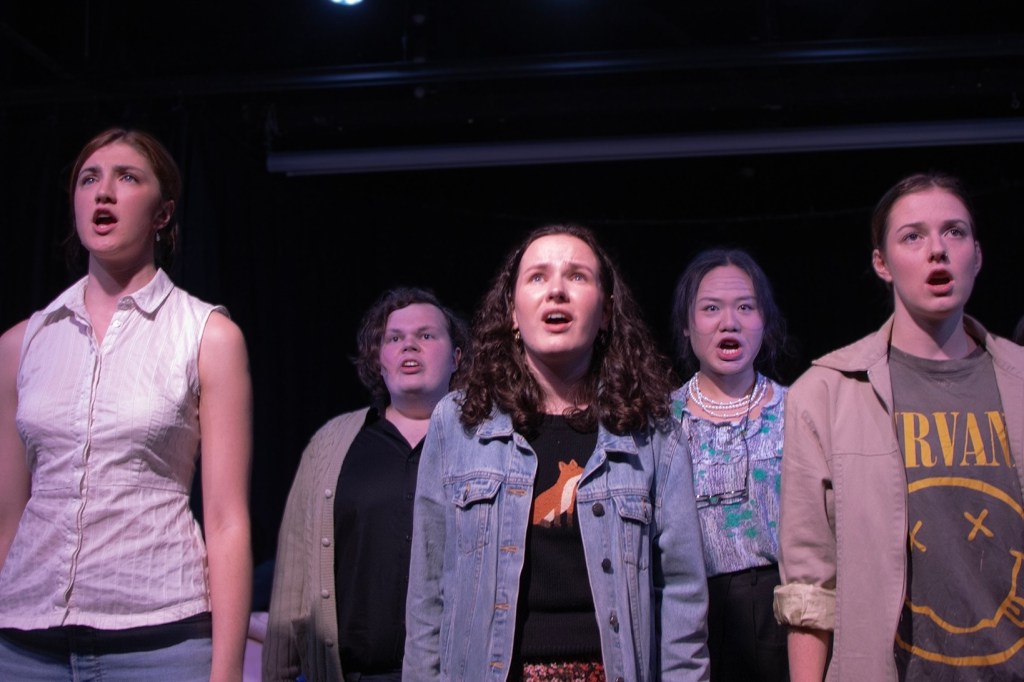
Audrey: Finally, do you have a favourite song or scene in the musical and why?
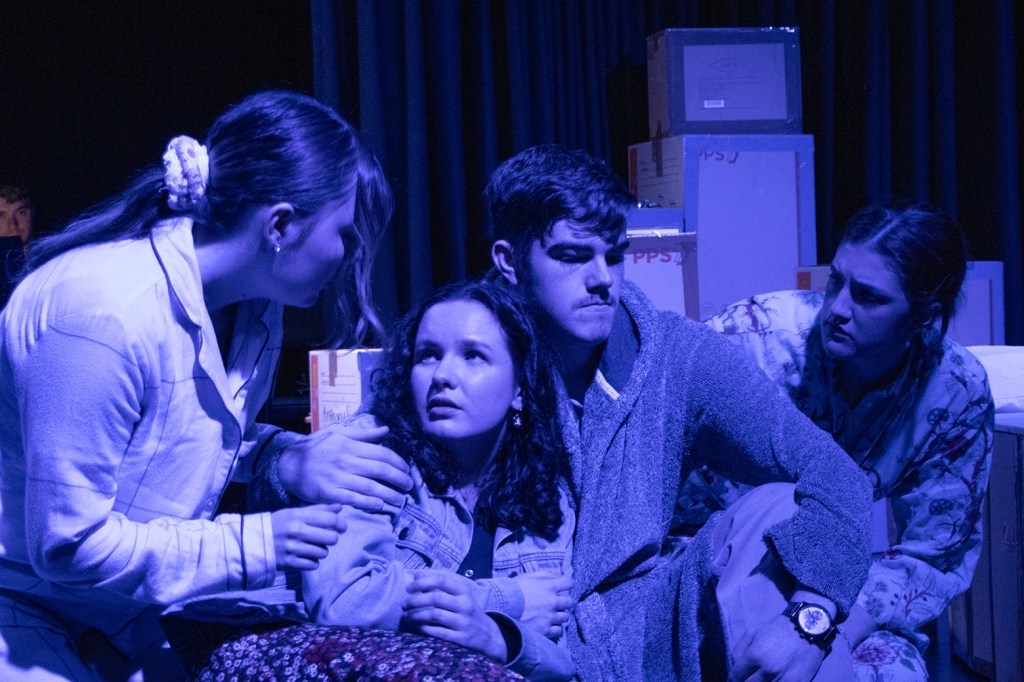
Hannah: I love the whole show, but I would say I have two favourites. There is a scene involving the central family (the main character Sam, her sister, mum and dad) they are sitting in the living room talking about what they’re doing on the school holidays and what’s going to happen with their future. It is such a real exploration of a family Saturday afternoon which is usually quite private, being able to put it in the public area of the stage has been a really lovely experience. Song wise I would say Marathon, it is so cleverly written, it flips through different time signatures and creates tension in a really interesting way.
Stella: Probably the two songs Marathon and All That I Know. All That I Know is sung by Mrs Johnson, who is an 86-year-old hype woman, and she is yapping about life and how you can take I seriously or just love it. I think it’s a very naïve song for a 20-year-old to write, but I really enjoyed putting on the cap of an old person who is imparting wisdom, it’s just such a beautiful moment.
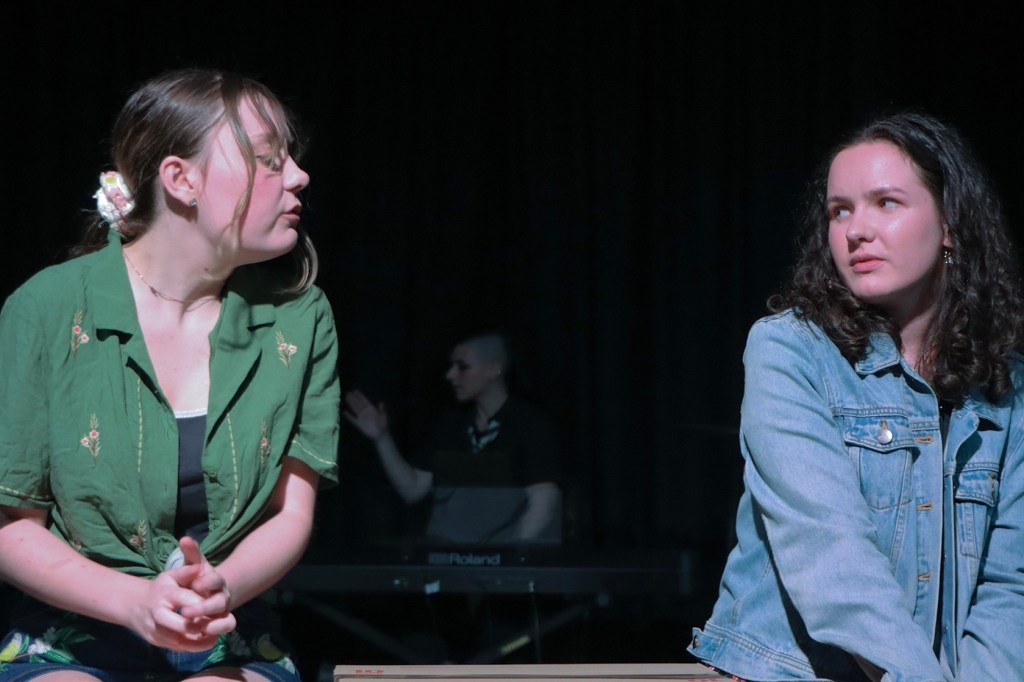
Zoe: Personally, my favourite song is Marathon, and I’m not surprised that Ava agrees with me. It’s so cool with four different time signatures and it’s got, at least for my character, a brilliant emotional peak. Its tense and conflict filled without any physical contact. It has some great crunchy harmonies and as a drama rhythm gal I eat it up, I love it.
Ava: Yeah! Stella does a great job creating tension in the music she creates, whether that’s through rhythmic irregularities or like Zoe said, crunchy tight harmonies. Marathon is the best of the best, two characters really butting heads and hashing out their relationship over the course of the show.
Ava: I also really like how the show interacts with change, my character is in a deeply transitional period in her life, and it reaches a boiling point towards the end of the show. I think it’s a really important part of life to examine, looking into the grey areas and not just seeing the world in black and white.
Zoe: Yeah, I think it’s really cool how religion and queer identity overlap without hostility, it’s a nicely woven line. Stella has written it really naturally and it makes you feel like you can relate to all the characters. There is no blaming and no fault, it doesn’t alienate anyone which I think is special. It invites the audiences to think deeper and ask questions; Bingo might be a simple game but life ain’t.
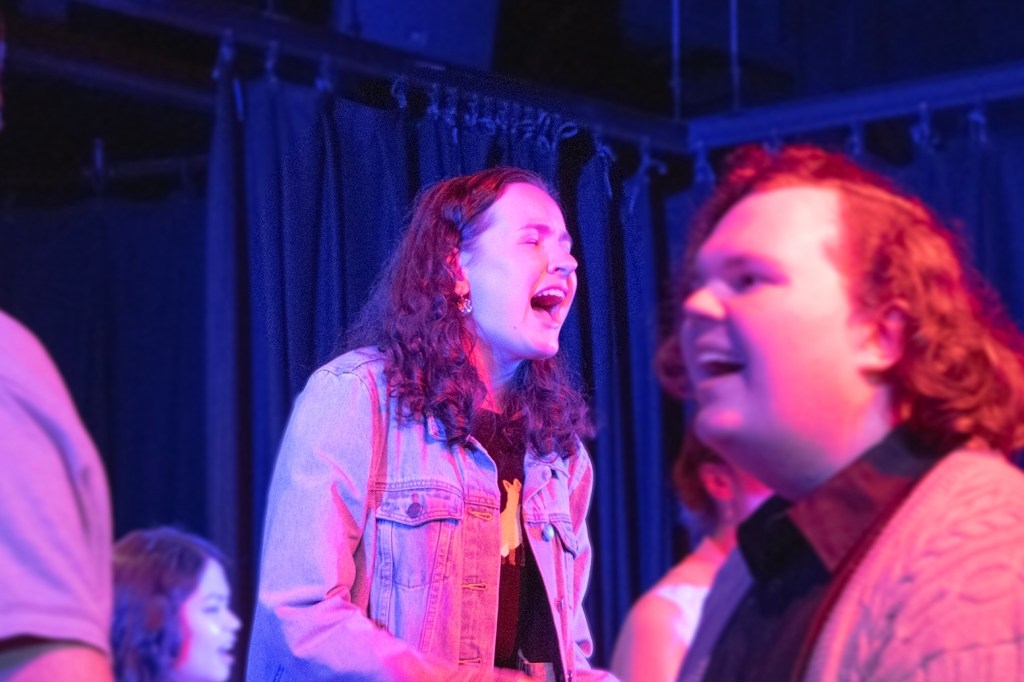
The Bingo production team and cast are a lovely reminder of how important original theatre is, providing a voice through narratives that are relevant and important for society, exploring themes in an appropriate and considerate manner.
From the initial writing process to the final stage performance, the entire Bingo team embraced the experience with enthusiasm, fostering the sense of community, connection, and enjoyment that lies at the heart of university musical theatre.
Four Letter Word’s Bingo played at the MC Showroom 26 – 30 May 2026.
AUDREY MUELLER is a second year arts student, majoring in creative writing and media communications. Her love for theatre was sparked in high school and she carries this passion into her uni work, performances, reviewing and sub-editing at Unimelb.
CHARLOTTE FRASER (she/her) is a writer, performer and editor based in Melbourne. She holds a BA in English and Theatre Studies and is currently completing her Masters degree at the University of Melbourne. Charlotte is also the 2026 Dialog Editor.
The Dialog is supported by Union House Theatre

