
Reviewed by: Zimo Lee
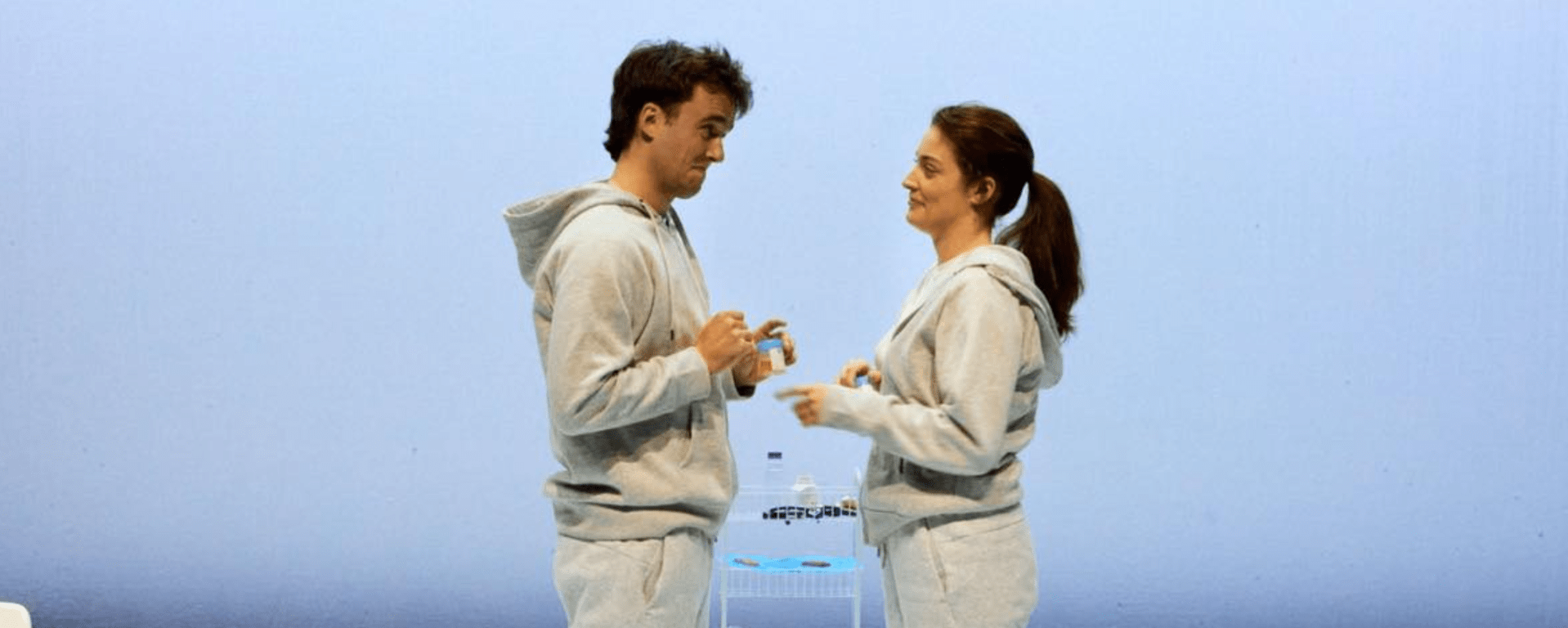
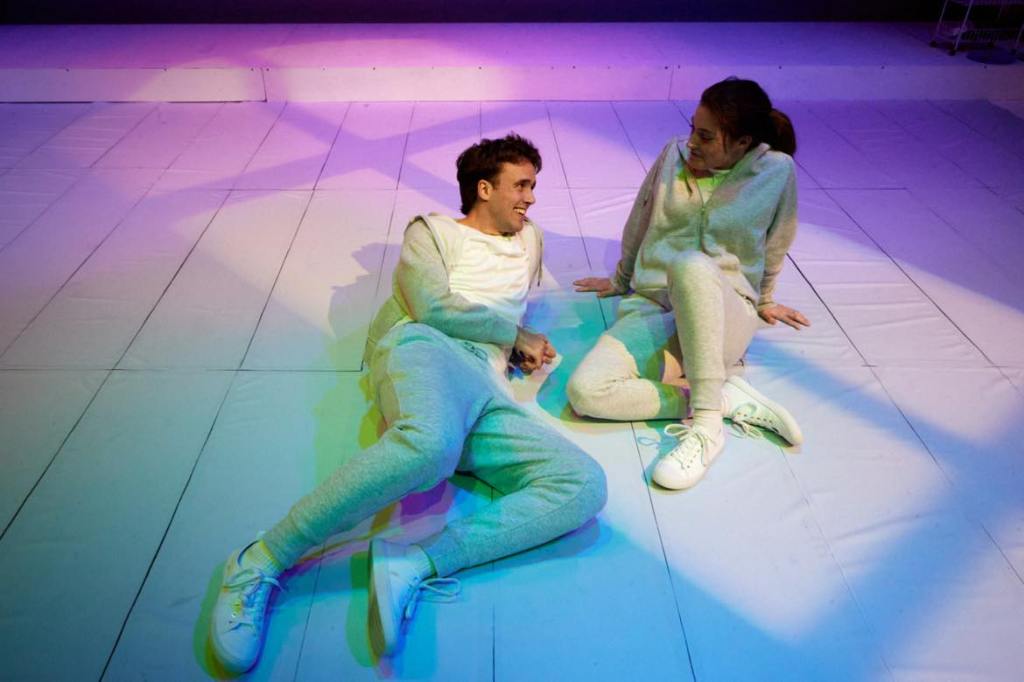
The Effect by Lucy Prebble is a story about two volunteers in an antidepressant clinical trial. There, the characters Tristan (Freddie Carew-Reid) and Connie (Hazel Pigrum) form an unexpected attraction to one-another that blossoms into a heart-wrenching romance; are their feelings their own, or simply an Effect of the drugs?
Short Straw Theatre Company boasts a performance that keeps the audience on their toes the entire night. During climatic and volatile moments where the characters’ emotions are on an all-time high, the entire audience’s attention was enraptured by Pigrum and Carew-Reid. The tension and drama played out so intensely meant that eyes were solely on the actors—if I didn’t know any better, I would say that the play was just as cinematic as film with its background of special effects. It was always clear where one’s attention needed to be, be it from stage cues or the actors’ motions.
This impressive lighting design by Jacques Cooney-Adlard was especially prominent. To feel a heartbeat reverberating throughout the theatre and under my feet from Pigrum and Carew-Reid’s hypnotic romance was incredibly immersive; I’d be so enraptured in the drama onstage that I’d be late to notice the lighting change from deep red to a fluttery pink, each sensory detail working towards a deep impact.
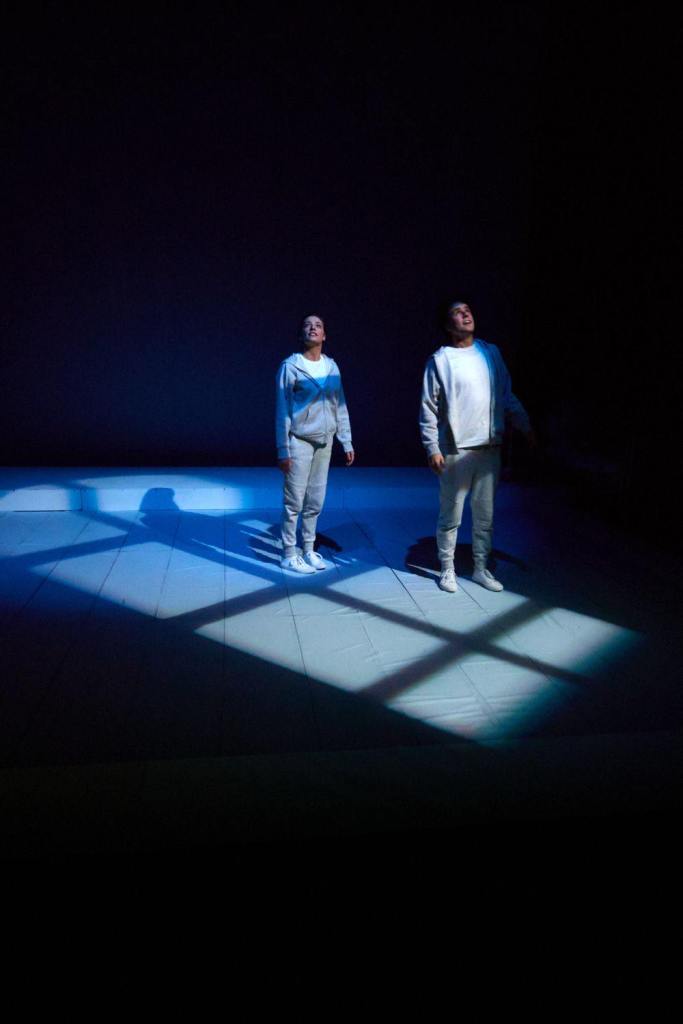
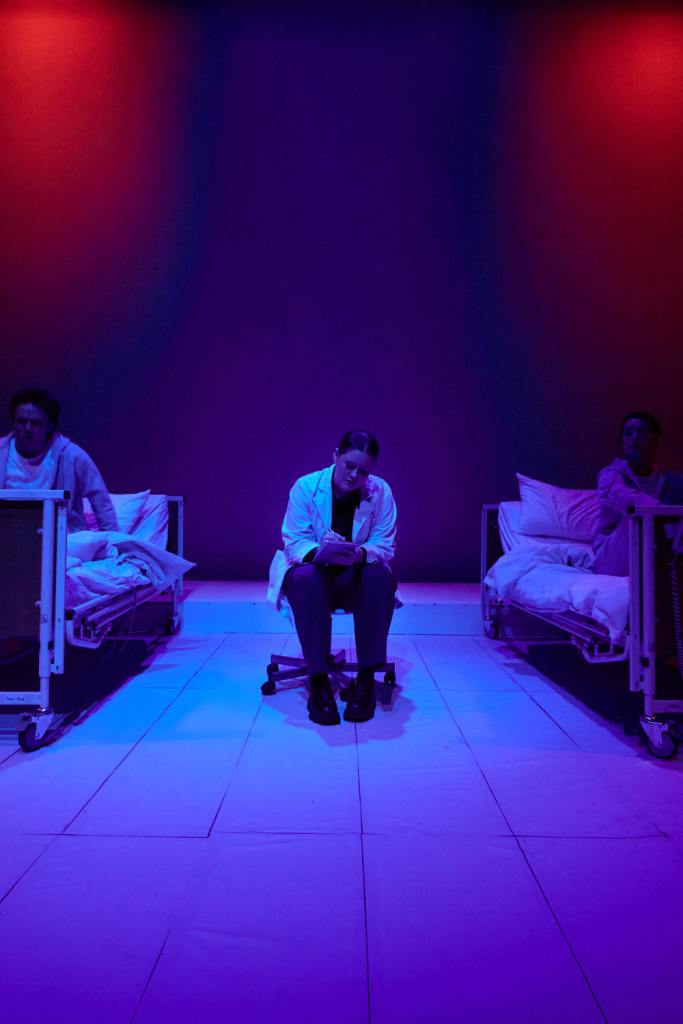
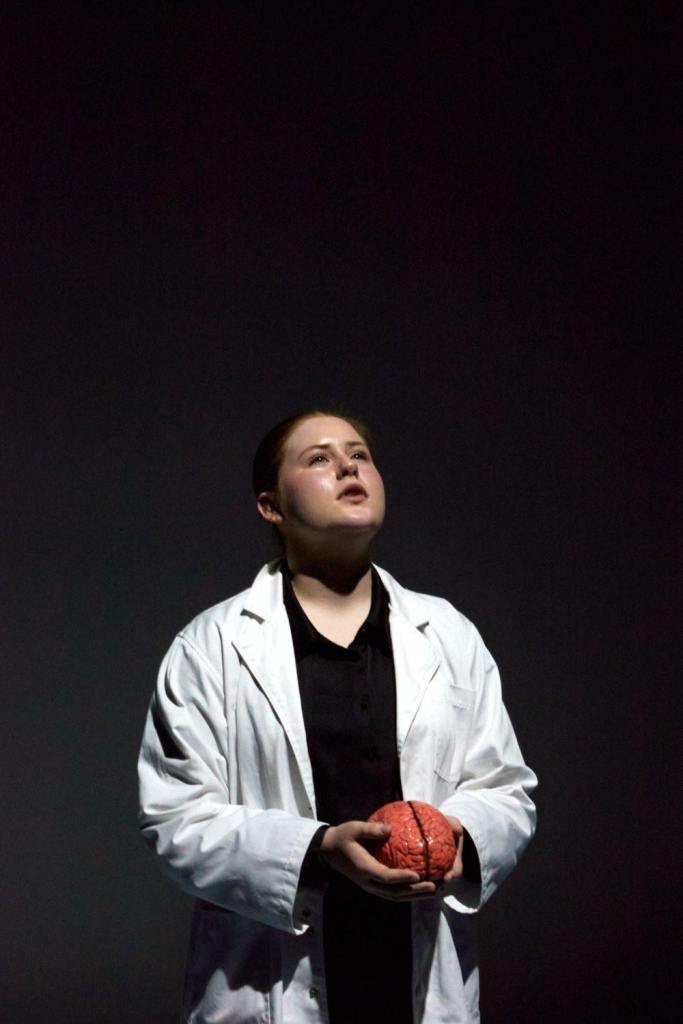
To the credit of both the masterful direction of Charlotte Rogers and stage magic, watching The Effect felt like I was in the cinema rather than my university’s theatre. Utilising projections on the wall, music would trickle down the speakers whenever there was a scene change whilst writing appeared, spelling the days and dosage increases in the clinical trial. At one point I was even fooled into thinking a scene with a Ted Talk might’ve been an actual intermission, due to the bravado of Ludomyr Kemp-Mykyta that stepped onto the empty stage and rambled off their lecture.
The twists and turns of the plot was something that gripped me to my seat (amongst other factors worthy of praise, such as the chemistry between actors and environmental effects). The desperation and struggles of each character held something so raw that I was transported into their landscape. I was not them exactly, but I could feel their frustration emanating from the stage, with genius use of a thrust stage to completely surround the on-stage action. With four different characters with varying histories and personalities, we’re drawn in to learn more—witness more, like the prying audience we are when there is drama too good to ignore.
While no character onstage was a perfect person, morals and struggles in mind, they were undeniably human. And in the midst of it all was a romance that burned until all that was left was embers, glowing dim. It would be a lie to say I didn’t grow attached to the cast, touched by the moments between Tristan and Connie as much as the strain between Dr. Lorna and Dr. Toby. The parallels between these pairs juxtaposed one-another enough to give the audience a breather from their respective tensions, all falling into a neat package as the lines connecting the cast finally grew taut.
The Effect did not have a ‘happy’ ending, but it was an ending that made sense with the overall tone and proceeding of the story—things can not be ‘healed’ and solved so easily in the circumstances of The Effect, yet the characters are still alive, together, and hearts beating.
The Effect played at the Guild Theatre from 7th-9th September, 2023.
The Dialog Theatre blog is supported and sponsored by Union House Theatre.
 The Dialog