
REVIEW BY GRACE DWYER
EDITED BY RACHEL THORNBY
I have a tumultuous relationship with the fantasy genre. As of late, I find certain fantasy and romance stories to be stuffed with clichéd narratives and barely indistinguishable aesthetics. But I return to the genre time and time again because there is nothing like being fully immersed in a rich, unique world and at their best, fantasies use their imaginative settings to deftly reflect and comment on our own societies. Other Gods, written by Simon Farley and directed by Kirby Lunn, is one of these gems.
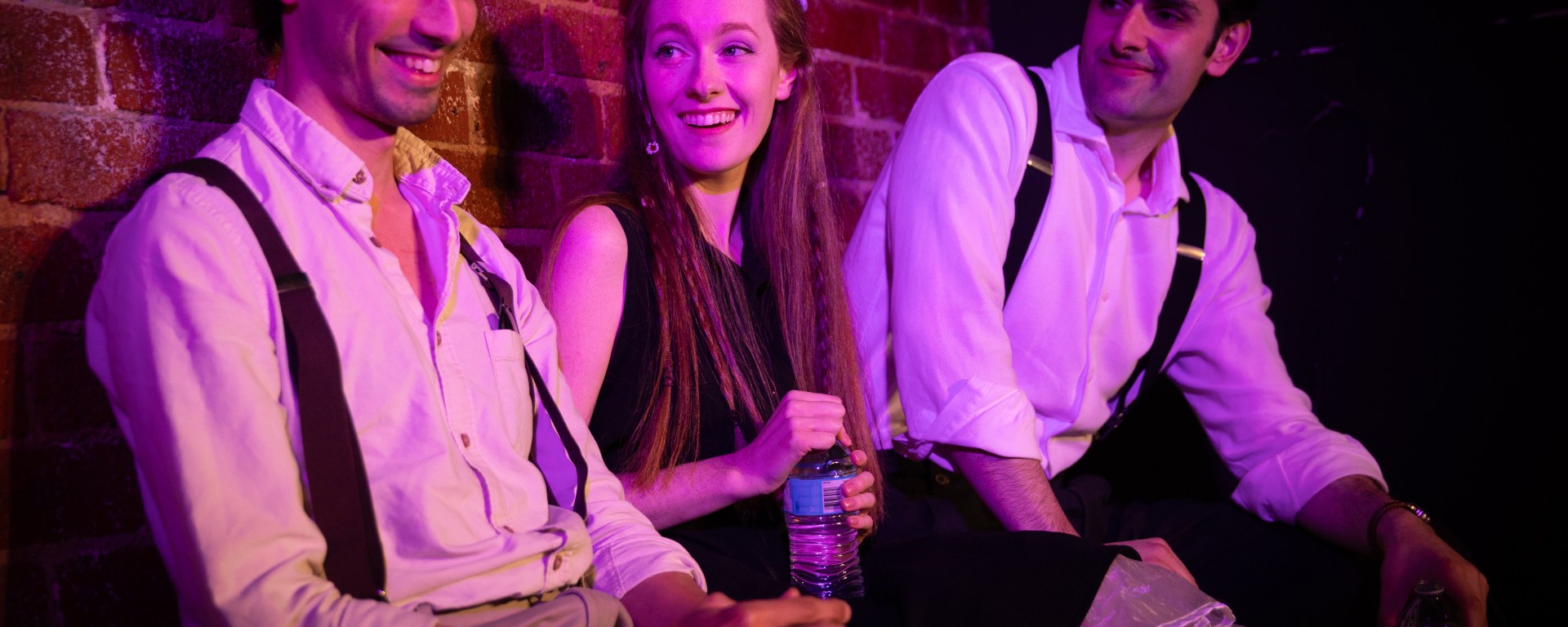
Other Gods takes place in a small town named Brodselo, in the country of Zal – described by producer and star Emily Kruse as ‘Croatia meets Melbourne’. The play follows Tom (Sorab Kaikobad), a priest who bears the word of the all-powerful Ten Gods, which causes him to question his faith. As if this isn’t a tantalising premise already, Tom’s close friendship with a young woman named Marina (Kruse) is turning heads. Between Marina, his religious superior Vinka, (Milijana Cancar) and his sardonic, quick-witted friend Ant (Asher Griffith-Jones), Tom finds himself torn between different philosophies and principles – and this is before a young witch, Fidan, (Esther B. Ebony) begs for refuge in a town where magic is outlawed. Farley cleverly weaves these narrative threads together until the play ends in a knot of in thrilling confrontation. Sixty minutes are up before we know it.
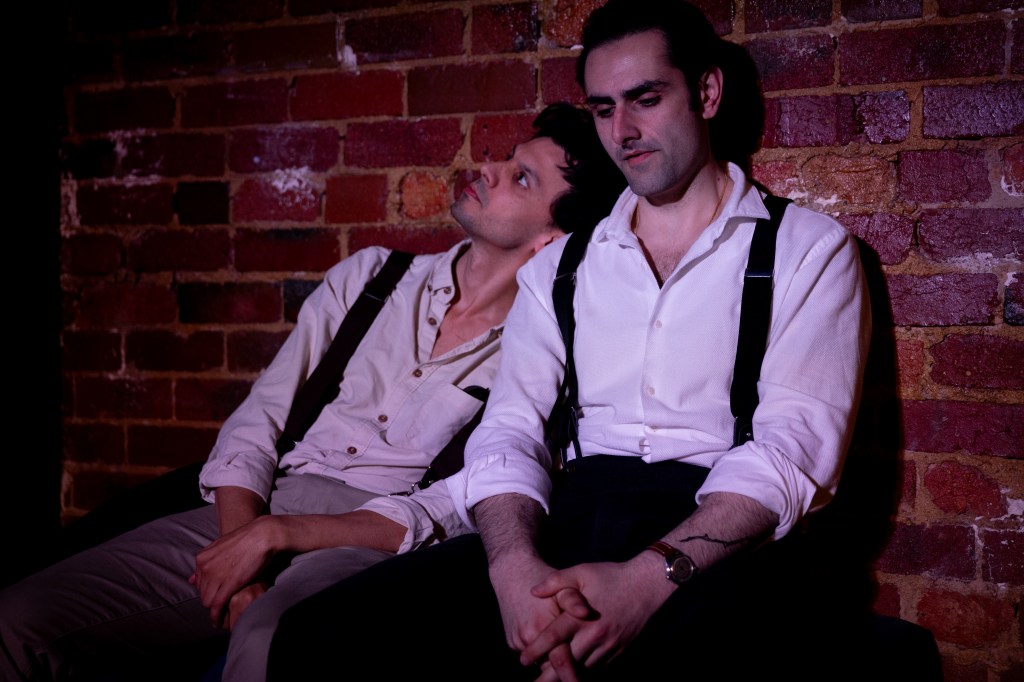
Rather than being a straightforward romance with a fantasy aesthetic, Other Gods is the story of extremely nuanced characters each trying to navigate morality and desire by themselves and with each other. Tom, played with unwavering gravitas by Kaikobad, is no real hero or villain – just a very decent man, making difficult decisions. Kaikobad’s grounded characterisation allows the rest of the cast, especially Kruse and Griffith-Jones, to energetically whirl around him. The scenes in which Tom, Marina and Ant are just hanging out are a highlight. Marina is a ‘feminarch’ –similar to a second-wave radical feminist. Kruse imbues her with a headstrong but caring sense of self. Kruse and Kaikobad certainly deliver on their romantic chemistry: Marina and Tom are obviously not an ideological match, but the two are evidently enchanted by the other, and are a delight to watch. Griffith-Jones, in suspenders and dark sunglasses, begins the show sprawling on the ground like he owns the place. I make a note in my book: ‘guy on floor has unbelievable aura’. Ant, whose anti-church identity makes him an outcast in Brodselo remains close with Tom despite their ideological differences. Their heartfelt conversation near the end of the play is hands down my favourite scene – both in performance and writing.
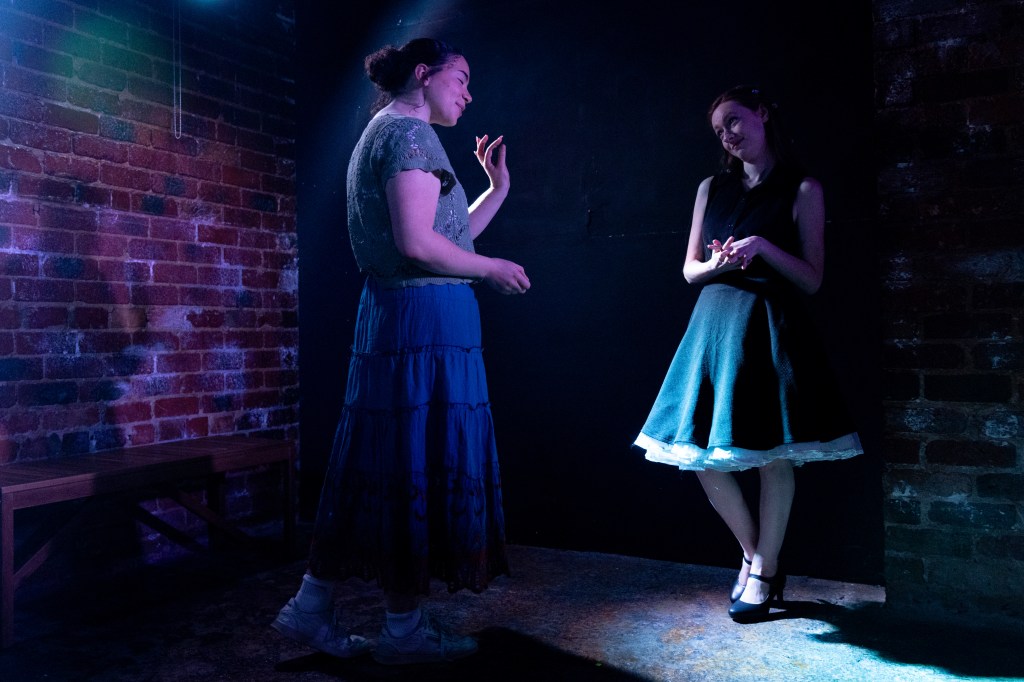
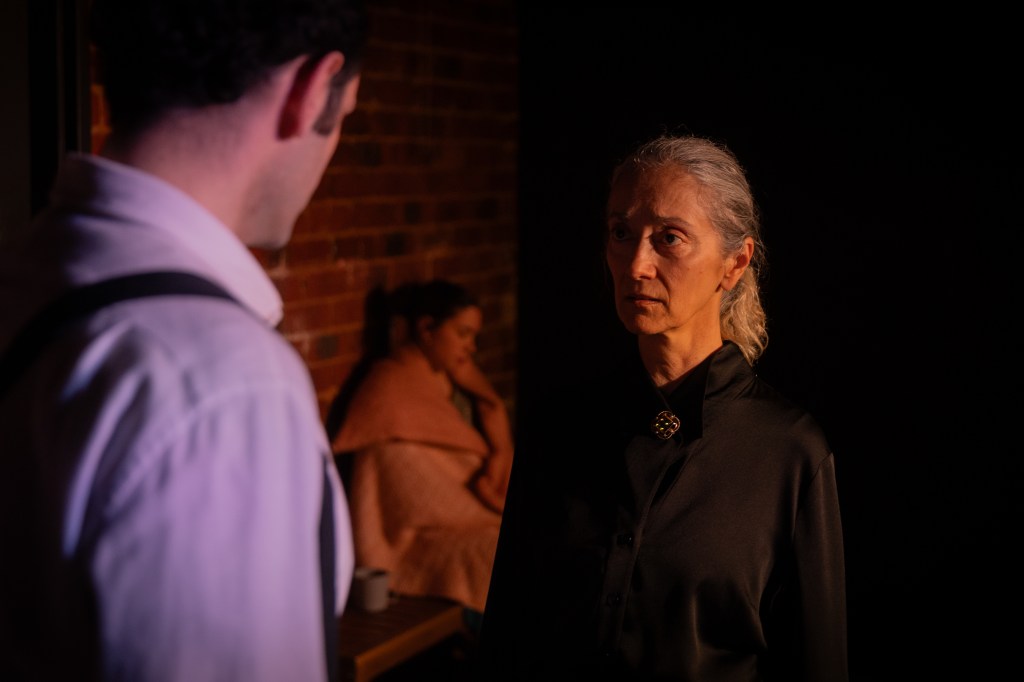
In addition to these morally grey, complex characters, Other Gods explores the country of Zal’s religious and political crisis. According to company Moonflower Plays’ social media, Other Gods is set in the equivalent to our 1950s. As such, the dying influence of the church and growing autonomy for women are hot topics in Brodselo. Vinka’s steadfast religious allegiance comes to life with Cancar, who has a malevolent, endlessly watchable presence that results in splendid dramatic tension. I cannot help but make connections to modern day religious institutions, especially in Marina’s monologue on ingrained misogyny in relation to witchcraft. I don’t know Farley’s intentions or relationship to organised religion, but it’s safe to say there’s historical parallels, and socio-political commentary for those looking for it. Another socio-political issue, more unique to this universe, is the right to perform magic. Ebony’s understated, convincing performance as a young witch fleeing persecution adds human depth to this fantastical debate.
Most of the magic in this show does come from the script and the cast, but props should be given to the production design: the minimalistic set and costumes ground the fantasy world and lend a kind of ‘no frills’ dramaticism that feels very deliberate. I would have loved for the props in particular to have a more cohesive art direction – as it stands, there’s an eclectic mix of modern appliances and old-fashioned technology that reads more as confused than stylistically anachronistic – but this is a nit-pick. Caitlin Duff’s striking lighting of purples, blues and greens, gives the small beige town a burst of otherworldly colour, perhaps alluding to the Ten Gods and their spiritual hold on all the characters.
Other Gods is a fantasy, but certainly not a fairy tale. No loose ends are tied up in a saccharine bow. There is, however, a satisfying resolution to these relationships that we’ve watched bloom and sour over the course of the play. I commend the entire team for bringing such a vivid world to life in such a short runtime and intimate space. What’s more, Moonflower Plays’ social media (which I scour after the show) includes a commendable depth of worldbuilding and a fully produced prequel series only touched on in the show. Farley, Lunn, Duff and the cast have put hours of visible passion into their work. At the end of the show, I ask someone for a program and hold myself back from fangirling when she tells me she is the director. But her pride is self-evident, and the cast is brimming with energy at having killed their opening night. I hope to see more from Moonflower soon, and my fingers are crossed for a sequel!
Moonflower Plays’ Other Gods plays at the Motley Bauhaus Theatrette til October 12th as part of the Melbourne Fringe Festival.
GRACE DWYER is a third year Arts student majoring in English and Theatre Studies. She fell in love with student theatre during her first year at college, playing a frog prince – and loves watching and talking about productions almost as much as she loved hopping around the stage.
RACHEL THORNBY is a media and communications and creative writing student currently studying in Melbourne.
The Dialog is supported by Union House Theatre.
 The Dialog