
By Sophia Zikic
Content Warning: Sexual assault and rape.
Desire Line: “An unplanned route or path that is used by a person in preference to or in the absence of a designated alternative.”
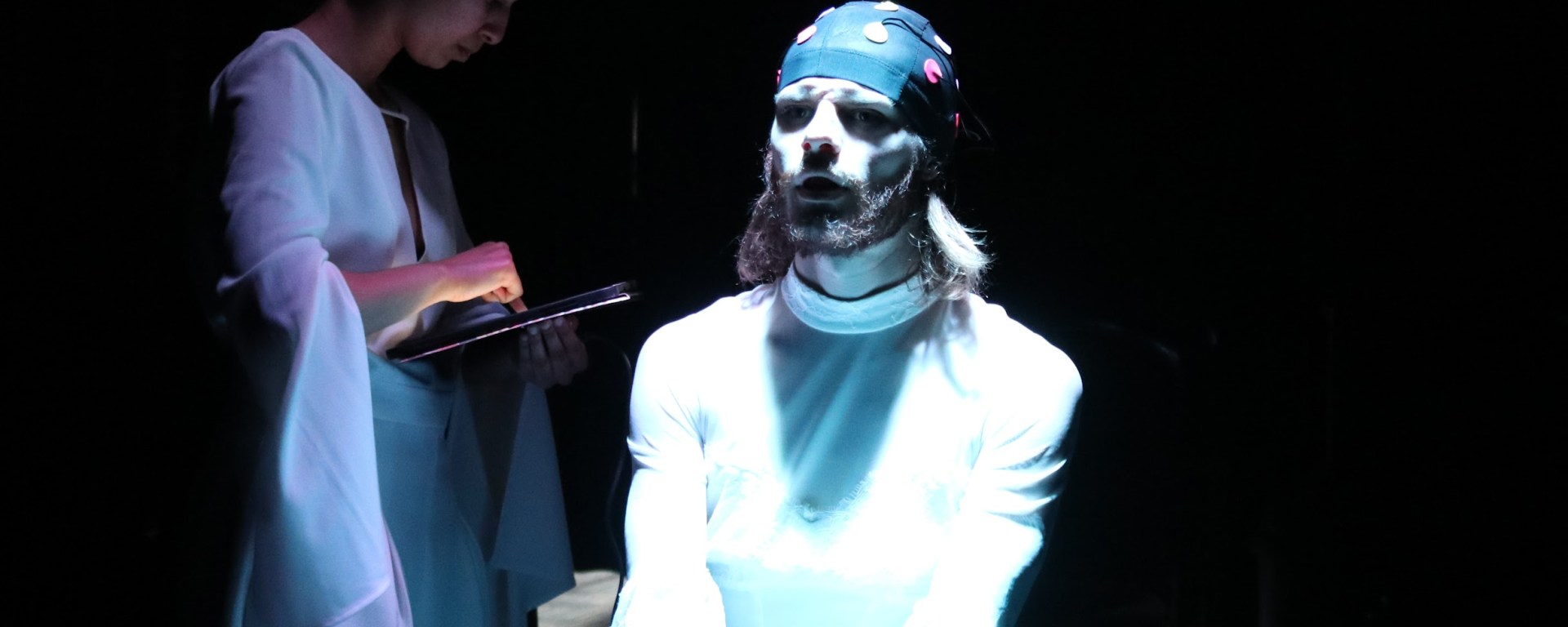
This cryptic statement featured in the programme accompanies the audience into the darkened theatre of Club Voltaire where the seats have been arranged in concentric circles, off the usual stage, centred around a bound and hooded hostage. Desire Lines is written and directed by James Robertson and is dynamically performed by the Plain English Theatre Company.
In less mystifying terms, Desire Lines is a series of comedic and dramatic vignettes, some which blur the lines between realism, science fiction, and horror. Though the programme suggests each of the scenes are unrelated, many of the vignettes seem to be subliminally connected by Robertson’s interest in human relationships, loneliness, and mental illness. Some were certainly stronger than others—the longer narrative between Farkash (Carter Smith) and Pattikin (Rebecca Vincent) was the most compelling, both conceptually and in terms of the narrative—but all were engaging and prompted reflection. However, at times the episodic format of the play undercut the quality of the writing. By design—or perhaps necessity—each scene was very short. As a result, the action of a scene had to rapidly escalate, sometimes to the detriment of the narrative. One scene particularly suffered from this, beginning with a pair of partners having an intimate, if terse, conversation, and ending with one of the pair writhing on the floor in abject emotional agony. Though the scene was well written, the pacing was slightly alienating.
Unfortunately, Desire Lines’ best arc centres on an act of rape committed by one of the central characters which occurs because the character lost his memory. Through the presence of this, Robertson seems to suggest that it is our most painful experiences and memories which forge our identities and connections to other human beings. Therefore, this results in both the staged act of sexual assault and off-stage rape being manifestations of the character’s personal downfall. In Desire Lines, violence against women was relegated to a trope supporting the character arc of a man, rather than focusing on the victim’s perspective. Exploring the perspective of the victim would serve the narrative by making the main character’s internal struggle more intense, as his regret would become more meaningful to the audience.
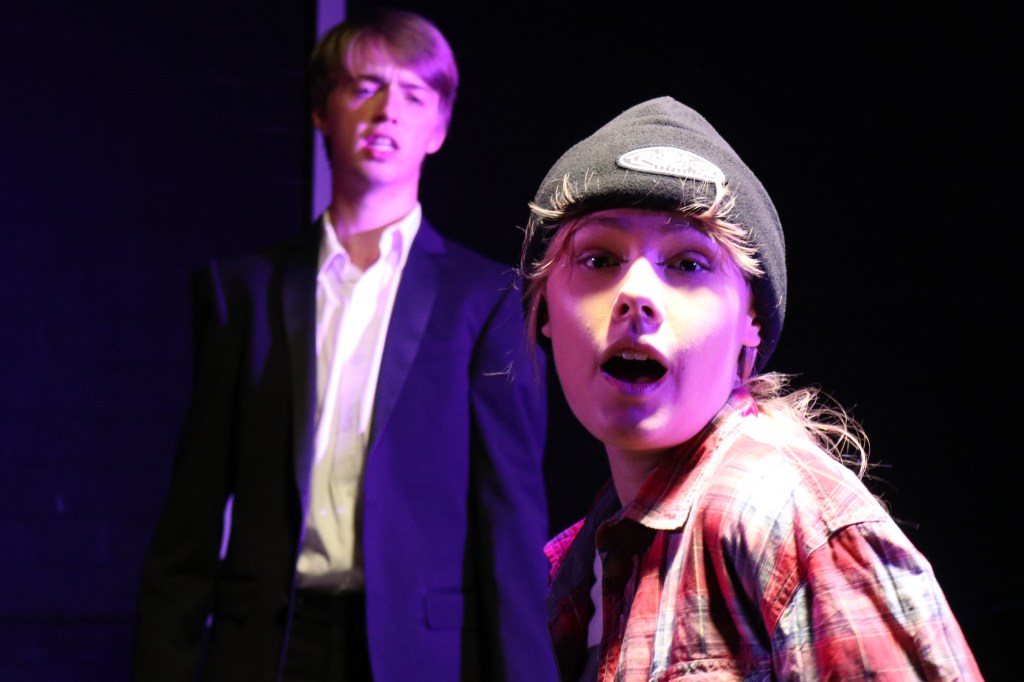
On a lighter note, each scene was also accompanied by Jesse Denson on percussion and synth. Denson’s performance was a highlight of the show. The sound design intensified many scenes which may have otherwise suffered from the restricted staging in the small space. Tom Vulcan’s lighting design was another highlight, which—though simple—effectively supported the distinct tones of each scene. The circular staging was also well designed and equally served the intimacy of the dramatic shorts and the dynamic physical theatre of the comedy scenes, with the actors close enough to see their expressions, and to provide cover as they ran and ducked around the seats. I also thoroughly enjoyed the representation of COVID fashion, particularly when an Oodie and tie die booty shorts were present.

Though criticism of the use of sexual violence tropes is warranted, Desire Lines was a pleasure to watch; sitting back and taking each scene as it came, appreciating the versatility of the cast, and the strength of the writing made for a wonderful show. It is also worth noting that the play, written between February 2020 and May 2021 and across two different countries, was originally intended to be performed at the University of Melbourne’s 2021 Mudfest. In my opinion, the namesake of the show—the desire line at the centre of it all—was the journey that the play was forced to take before it was performed. It is commendable that, despite everything, Robertson and the cast persevered.
Images by Carter Mursell
 The Dialog