
By Christina Savopoulos
Following an insightful interview with two artists of the University of Melbourne’s Student Union’s Union House Theatre and the Dirty Laundry Collective regarding their recent collection of work – between here and when i tell you (BHAWTY) – I was more than excited to view the outcome of the project. There are eight individual performances from both alumni and student artists at Unimelb, each with their unique style and artistic direction. The ‘web-stage’ is an interactive space where you can explore each work either on its own or in a sequence, with hidden easter eggs throughout. Almost each image can lead you somewhere new, so keep a look out for things to click on so you can make the most of the experience.
The theme of secrets is explored in one way or another in each performance available on the web-stage. By jumping straight into viewing you can follow the phone icon and be led through each performance. In between each piece of work, you listen to phone conversations in which secrets are revealed and inner thoughts are expressed. When you listen along to the sound of the artists’ voices, faced with a black screen, it almost feels invasive to be listening in to what feels like a private space. The performances themselves feature a range of formats – diary-like entries, an art gallery type work (Reis Low – White Shirt Experiments), a painfully accurate blog about the “tragic joy of being young” (Amy Spurgeon – my blog), a peep show (Luke Macaronas – Peep Show) and a use of multi-media work exploring secrets and the body (Anny Biagioni – (in)tangible). Each performance style is different which makes the work all the more eclectic, there will definitely be something everyone can relate to.
Freya McGrath’s The Receiver is a perfect introductory piece to the project. Her blended use of audio and visual media combines the sounds of many voices overlapping with a tranquil movement performance. In a time where contact has come to take place primarily via telephone or videocall, McGrath’s work feels both extremely familiar and strangely foreign at times. Alice Wheaton’s LOVE MADDI 4EVA explores a close friendship, in which you can grasp insight into the world of the characters through photos, a shared recipe and video. Wheaton’s use of various forms of media to portray this friendship makes for interesting means by which to understand the complexities of friendship. I particularly loved how the photo section hovering above each image blacks out anyone who isn’t part of their close friendship. Harriet Wallace- Mead’s Red is the most visually overwhelming piece, but definitely in a good way. Described as “red herring mania”, there is much to explore in the countless pop up boxes featured. Involving the central theme of ‘red’, there are book covers, songs, history facts, and different red products, though some distractions, a final video is revealed at the end of the page to complete Mead’s work. Viewing these individual performances online instead of in real-life will be just as enjoyable considering the significant creative effort involved, the processes of which were explored during the lecture event affiliated with the project.
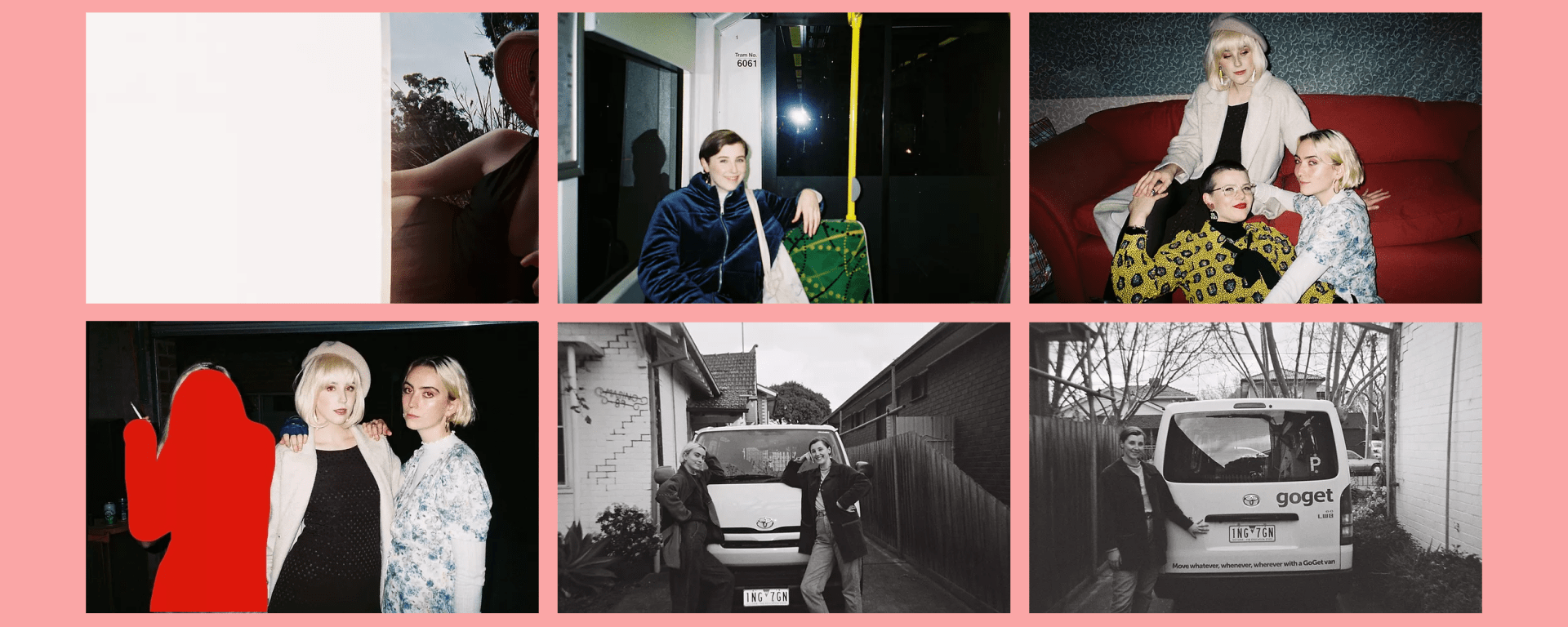
The Dirty Laundry Collective held several live events to coincide with the release of BHAWTY – a performance dinner, a movement workshop and a casual lecture titled Love and Loathing on the Internet: A lecture about art and identity in the digital age. I attended the latter and was surprised at the depths of conversation achieved in the one hour allocated. Xanthe Beesley (Union House Theatre’s Artistic Director) provided a warm welcome and created a safe and comfortable space for everyone to engage in fruitful conversation.
The lecture was run by artists Luke Macaronas and Alice Wheaton, in which each artist involved in the project was able to provide insight into their own creative process and their opinion on the internet as a performative space. The idea of utilising a digital space to perform and represent one’s own identity was thoughtfully deconstructed. A performance of self in relation to social media is an everyday activity for most. Many of the artists agreed that everything we do is a performance, while others preferred to believe that we perform different aspects of ourselves at any given time. The latter perspective is cleverly illustrated in Charlie Zhang’s Me, Myself and I, where the use of an online space benefits from digital editing, an element of creativity that wouldn’t have been possible in a real-life environment.
As was discussed in the lecture, the online space is one where people can express their authentic selves, even those which they might not be inclined to share in ‘real’ life. Some artists expressed their dislike for the stagnate nature of the internet and its use as something of an archive and storage facility. The event’s format, Zoom, allowed everyone to interact in a positive and productive way, making the lecture all the more interesting to watch. Attendees frequently displayed symbols on their screens (thumbs up and clapping hands) to show their appreciation for the quality of conversation. The interactive nature of the live event contributed to the discussion of art in the digital age, in some sense bringing the project to life and emulating the audience-creator interaction usually derived from real-life theatre.
At the conclusion of the lecture the artists opened the conversation up to those attending the webinar and discussion ensued over the concept of the internet as a space that has vastly changed over time. Many of the artists noted that streaming services have come to dominate the way video content is consumed on the internet, and that individuals often interact with several major providers but barely venture beyond. They hope that this project will help spark some of the excitement and appetite for exploration many used to have when the internet was first created.
The creators’ attention to detail is admirable and their efforts towards inclusion have made the project accessible to all with audio tracks accompanied by both closed captions and transcripts. The project’s perspective on the creative potential of the internet is evident in the way the work is presented in fragments. Much of life in the digital world involves meandering through various platforms and being somewhat overwhelmed by all the sensations offered. All eight artists have surely embedded this experience within the creation of their own work. The interactive features of each work additionally contribute to the ‘live’ aspect of this otherwise digitally stored art.
Whilst the work is the furthest it can be from sitting in a theatre and physically viewing a performance, the creators’ adaptability to current times is commendable and has resulted in a plethora of unique pieces of work that are sure to intrigue.
The between here and when i tell you project can be viewed here.

 The Dialog